
Facebook Group Welcome Post Templates That Turn New Members Into Conversations

Your welcome post is the single most under-used asset in your Facebook group. Most coaches pin a generic 'hi, nice to meet you' and move on. The coaches I work with use it as the start of a real conversation, and you can too.
Template 1: The introduction prompt
Use this as your pinned welcome post. It invites a specific introduction that doubles as a way to learn who is in the room.
Welcome! Introduce yourself in three lines: who you help, your biggest struggle right now, and one thing you are hoping to get from this group. I read every single one, and I will reply with a resource for the struggle you share.
Template 2: The resource hand-off
This one moves people from lurking to opted-in within a day.
New here? Start with the free guide. It is the exact thing I wish I had had when I started. Comment 'guide' below and I will message you the link, with your permission. Then come introduce yourself so we know who you are.
Template 3: The conversation starter
A weekly welcome that resets engagement every Monday.
Happy Monday! If you are new this week, tell us: what made you finally decide to join? And for everyone, what is the one question you would love answered this week? Let us get it answered together.
Each of these does two jobs: it makes new members feel seen, and it hands you the people you can genuinely help. That is the whole point of a welcome post, not to be polite, but to start the relationship that, when the time is right, becomes a booking.
Come and join us in the free Facebook group. It is where coaches work through exactly this kind of thing together, with honest help and no pressure.
Join us in the free Facebook group
It's where coaches work through exactly this kind of thing together, with honest help and no pressure. Come say hi.
Join The Free Facebook GroupKeep reading
21 Facebook Group Engagement Ideas That Actually Start Conversations
21 engagement posts for your coaching Facebook group, the prompts that get members talking, sharing and eventually booking.
Read article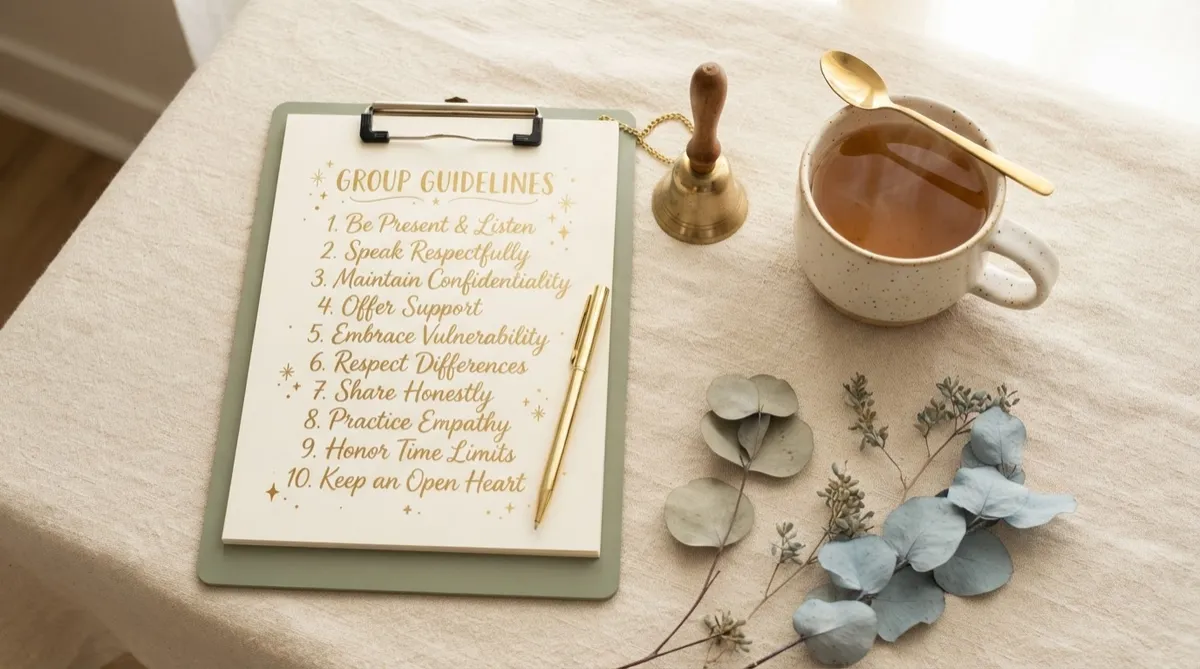
Facebook Group Rules That Keep Your Coaching Community Safe and Growing
A practical set of group rules for a coaching Facebook group, clear enough to protect your members and warm enough to keep the community thriving.
Read article
Facebook Group Growth in 2026: What's Working Right Now
An honest, current look at what's actually growing Facebook groups in 2026, the tactics that work, the ones that don't, and how to stay ahead.
Read article